Skip to Information on This Page
Your Sewer System at a Glance
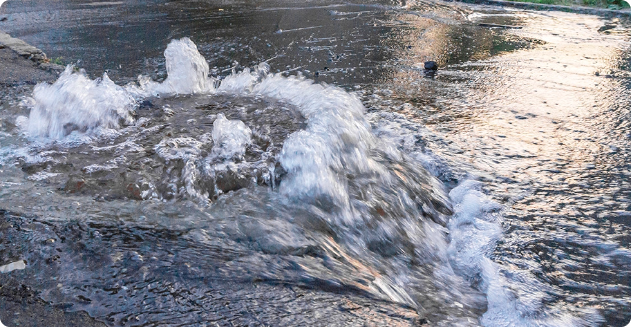
The District owns and operates the system of pipes and pumps that collects and transports wastwater from homes and businesses to the Monterey One Water Regional Treatment Plant. This system is composed of:
• 20 sewer lift or pump stations
• 145 miles of gravity sewer pipeline
• 2,735 manholes
• 8 miles of pressurized pipelines
Learn more about the Monterey One Water Regional Wastewater Treatment Plant
To Report a Sewer Backup or Spill Call: (831) 384-6131 or (831) 883-5900
We Work Round-the-Clock to Keep Your Sewer System Working
Sewer System Management Plan. The State of California Waterboards requires all public sewer systems that own and operate one mile or more of sewage pipe to enroll in the Sanitary Systems General Order. A component of that order requires public sewer systems to draft, adopt, and implement a Sewer System Management Plan (SSMP). The District's latest SSMP was adopted in June 2025.
As part of the District's SSMP, the Operations and Maintenance Department performs various preventative maintenance tasks to help keep the sewer lines flowing. Some duties include hydro jetting sewer lines and conducting video inspections of sewer lines to ensure that the lines remain in good condition. Should any of the inspections result in degrading conditions, reactive measures are taken to ensure that issues are corrected promptly.
View the District's Sewer System Management Plan (PDF will open in a new browser tab)
Maintaining Your Sewer Lateral: How to Prevent and Clear Drainage Clogs
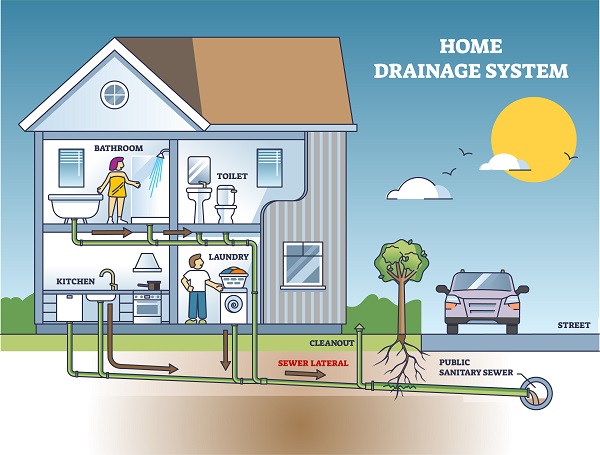
A sewer lateral is a pipe that carries wastewater from your home to the main sewer pipeline. The Marina Coast Water District encourages property owners to inspect and keep their sewer lateral clear of trash, grease, and other materials that can clog and damage pipes. Maintaining your sewer lateral could prevent sewage from backing up into your home.
To prevent clogs in your sewer lateral pipes:
- Don't put fats, oils, or grease down your drains.
- Only flush human waste or toilet paper down your toilet.
- Run water down your garbage disposal to facilitate movement of waste.
- Video inspect your lateral every few years to check for damage and root intrusion.
To clear a simple clogged drain:
- Pour hot water down the drain, and let it sit so it can unclog on its own.
- Use a force ball plunger to push water and remains further down the line.
- Use a plumbing snake or auger for tougher clogs.
To address a more serious, persistent, or recurring clog:
For clogs that cause significant problems such as recurring backups, pooling water in the yard, or standing water in sinks, tubs, and appliance lines, you may need a professional to identify and fix the problem.
Look out for these warning signs:
- Drains that drain slowly or make a gurgling sound.
- Multiple interior drains backing up or clogged at the same time.
- Drains that back up in reaction to other drains being used.
These are all signs of a larger issue with your drains or sewer lateral. If these symptoms appear, call a professional right away.
How You Can Help Us Protect the Bay Environment
Nothing Down The Drain But Poo And TP
Marina Coast Water District reminds you to check for the "Do Not Flush" symbol on non-flushable wet wipes packaging. This symbol is now provided on packages for consumers nationwide on non-flushable wipes commonly used in a bathroom setting.
Studies show that 98% of materials that clog equipment at wastewater treatment plants are non-flushable such as:
- Baby Wipes
- Cleaning Wipes
- Makeup removal/facial wipes
- And Paper Towels and Feminine Hygiene Products
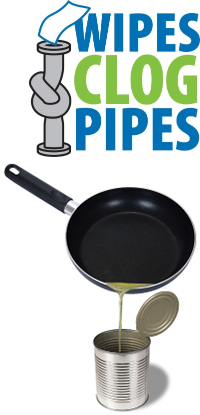
Please do not flush unapproved wipes down the drain as they can clog sewer line and pipes, leading to sewer backups and spills.
Remember to #FlushSmart. Learn more about responsibile flushing by watching the video below or visit the Smart Flushing Alliance website.
Keep Fat, Oil, and Grease (FOG) Out Of Your Drains
The Environmental Protection Agency (EPA) tells us that grease from restaurants, homes, and industrial sources are the most common cause of reported blockages.
- Never pour fats, oils, or grease down a sink or garbage disposal.
- Let FOG cool, pour it into a container and dispose of in your trash trash.
- Clean FOG from pans and dishes by scraping and absorbing with a paper towel.
- Hot water and soap do not eliminate FOG because it will eventually reform and solidify in pipes.
Marina Coast Water District partners with the Southern Monterey Bay Dischargers Group to help keep Fats, Oils, and Grease (FOG) out of sewer pipelines. The FOG program helps local businesses to safely dispose of grease. Learn more about the Southern Monterey Bay Dischargers Group and how to dispose of Fat, Oils, and Grease (FOG).
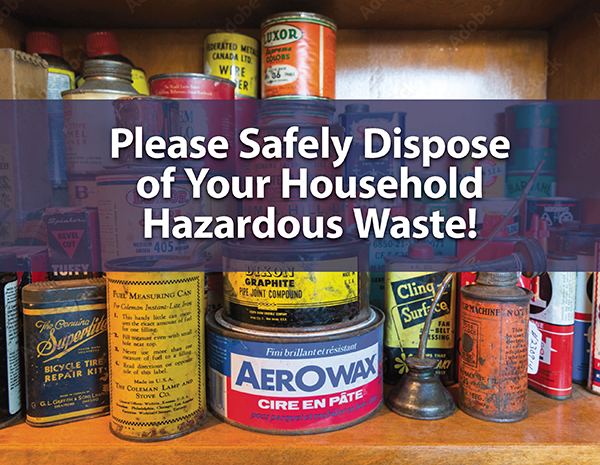
Dispose of Household Hazardous Waste (HHW) the Right Way
Some common household products are more dangerous than they look — and how you get rid of them matters. Paint, cleaners, pesticides, batteries, and old electronics can pollute waterways, harm wildlife, and contaminate soil if they're thrown in the trash or poured down the drain.
What NOT to Do
- Don't pour paint, cleaners, or solvents down the drain
- Don't dump motor oil or pesticides on the ground or in the trash
- Don't flush medications or chemicals down the toilet
These actions can send toxic materials directly into our local waterways and groundwater.
Where to Safely Dispose of Household Hazardous Waste
Take your household hazardous waste to the ReGen Monterey Household Hazardous Waste Facility, which accepts a wide range of materials for safe disposal and recycling. Before you go: Check their accepted materials list to confirm your items qualify.
Where to Safely Dispose of Sharps and Unused Medication
For information, visit the County of Monterey Health Department Sharps & Medication Disposal page.
Questions? Contact us at (831) 384-6131 or customerservice@mcwd.org.